07/11/2025 – 10/01/2026
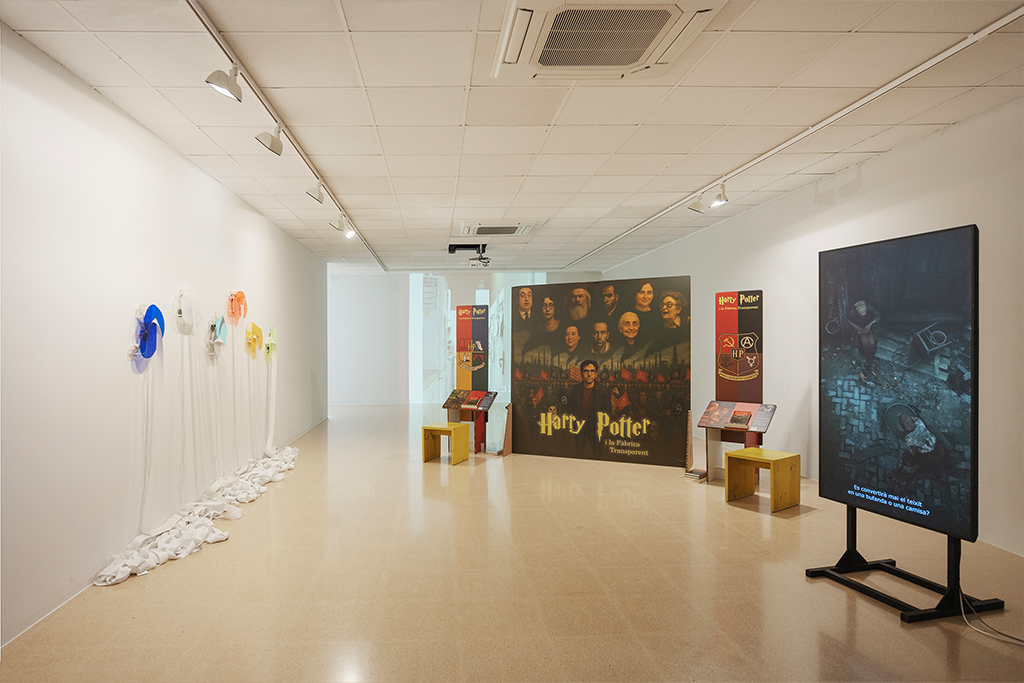
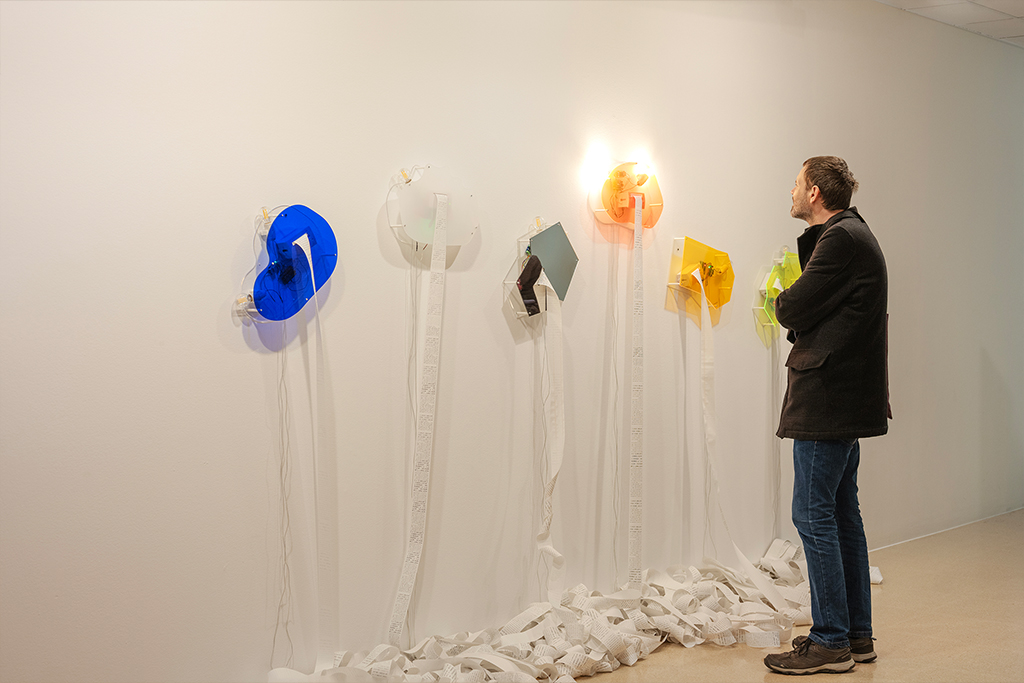
Exhibition by Marta Azparren, Roc Parés, Marc Villanueva, Alán Carrasco, Mónica Rikić, Total Refusal, Ezequiel Soriano i Raquel Friera.
Curated by Marc Villanueva.
Opening, November 7 at 7:00 p.m.
Exhibition co-produced by Festival Panòptic and M|A|C Mataró Art Contemporani, which is part of the Programa d'Exposicions Itinerants 2025-2026 (Travelling Exhibitions Programme) of the Department of Culture of the Generalitat de Catalunya, with the collaboration of ACVIC Centre d'Arts Contemporànies.
The exhibition is part of the Vic Digital Arts Cycle.
One of the first shots in the history of cinema is of workers exiting a factory. Filmed in 1895 by the Lumière brothers in front of their own camera factory, the famous sequence shows us how workers cease to be a homogeneous group and become a dispersed crowd.
As we enter an increasingly digital world, work becomes more flexible, precarious and ubiquitous, and often no longer defines us as individuals. Even during our free time we continue to work unpaid, generating content or data. In the transparent factory, it becomes more and more difficult to distinguish when we are inside and when we are outside.
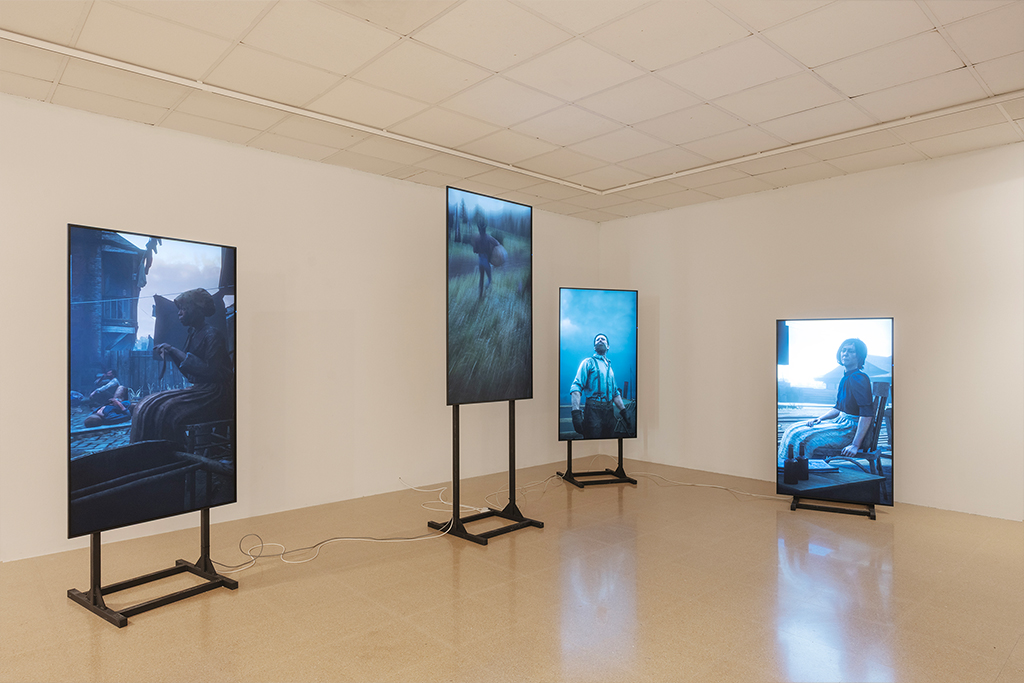
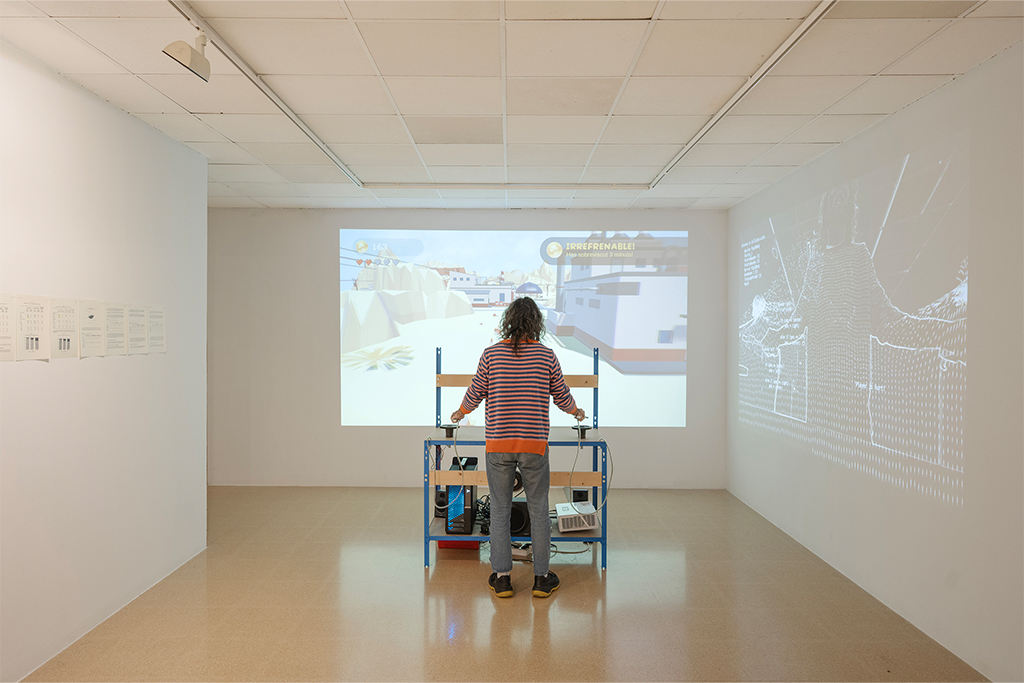
Video games are particularly volatile arenas in this process of transformation. Although we tend to think of them as a leisure activity, video games are seeming increasingly like a complement to the workday. Short games, simple rules, repetitive routines, and a meticulously calibrated balance between gratification and frustration are the ingredients of a new digital ergonomics, which conquers screens and blurs the boundaries between leisure time and work time, between unproductivity and hyperactivity.
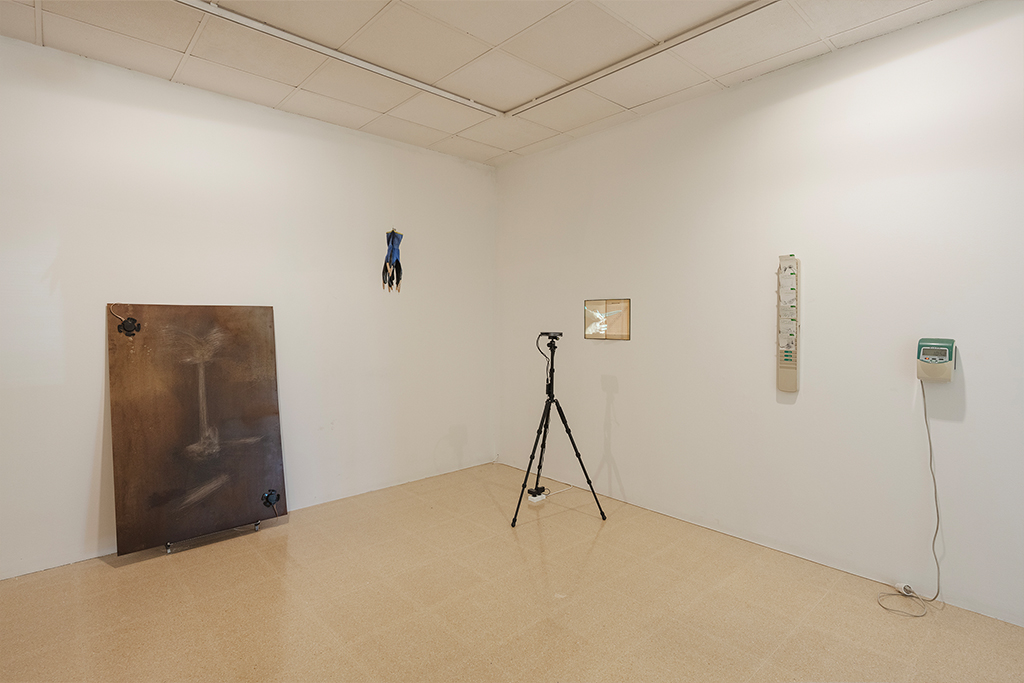
This exhibition, which takes as its title the homonymous research by the Mataró artist Octavi Comeron (1965-2013) on art and post-Fordism, questions us about the relationship between play and work, as well as about the value of time and imagination, at a time when our bodies engage the symbolic gears of an activity which we no longer call work.
Images: Helena Roig and Judit Bou Comas, Panòptic